Head and neck reconstructive surgery addresses tissue loss in the head and neck region caused by tumor removal, trauma, infection, or congenital defects. Using advanced plastic and microsurgical techniques, the procedure restores both appearance and vital functions. Beyond improving outward appearance, these surgeries focus on rebuilding essential abilities such as oral function, chewing, swallowing, and speech, helping patients regain comfort and quality of daily life.
Head & Neck Reconstruction: Oral Cancer, Esophageal Reconstruction, Facial Paralysis Repair(頭頸部重建)
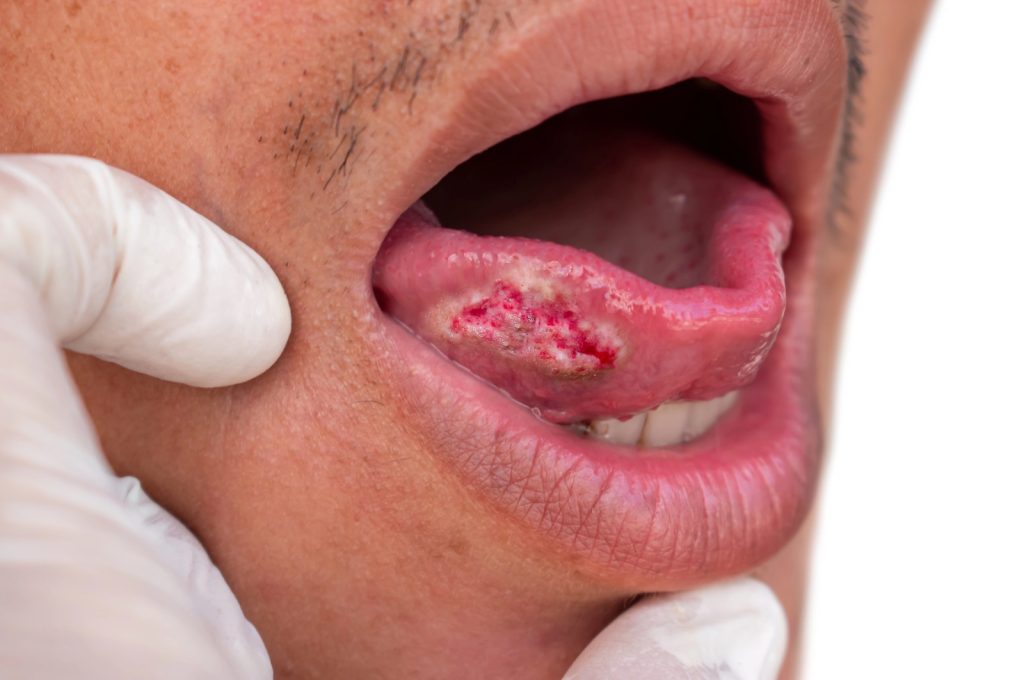
Reconstructive procedures involving oral, esophageal, or head and neck tissues are performed to repair defects resulting from the resection of tumors such as oral and laryngeal cancers, thereby helping patients regain the ability to eat, speak, and express facial emotions. Muscle transplantation and nerve repair surgeries are also offered to address facial muscle paralysis (such as facial nerve palsy), improving both facial appearance and coordination.
Head and neck tumor resection(頭頸腫瘤切除)
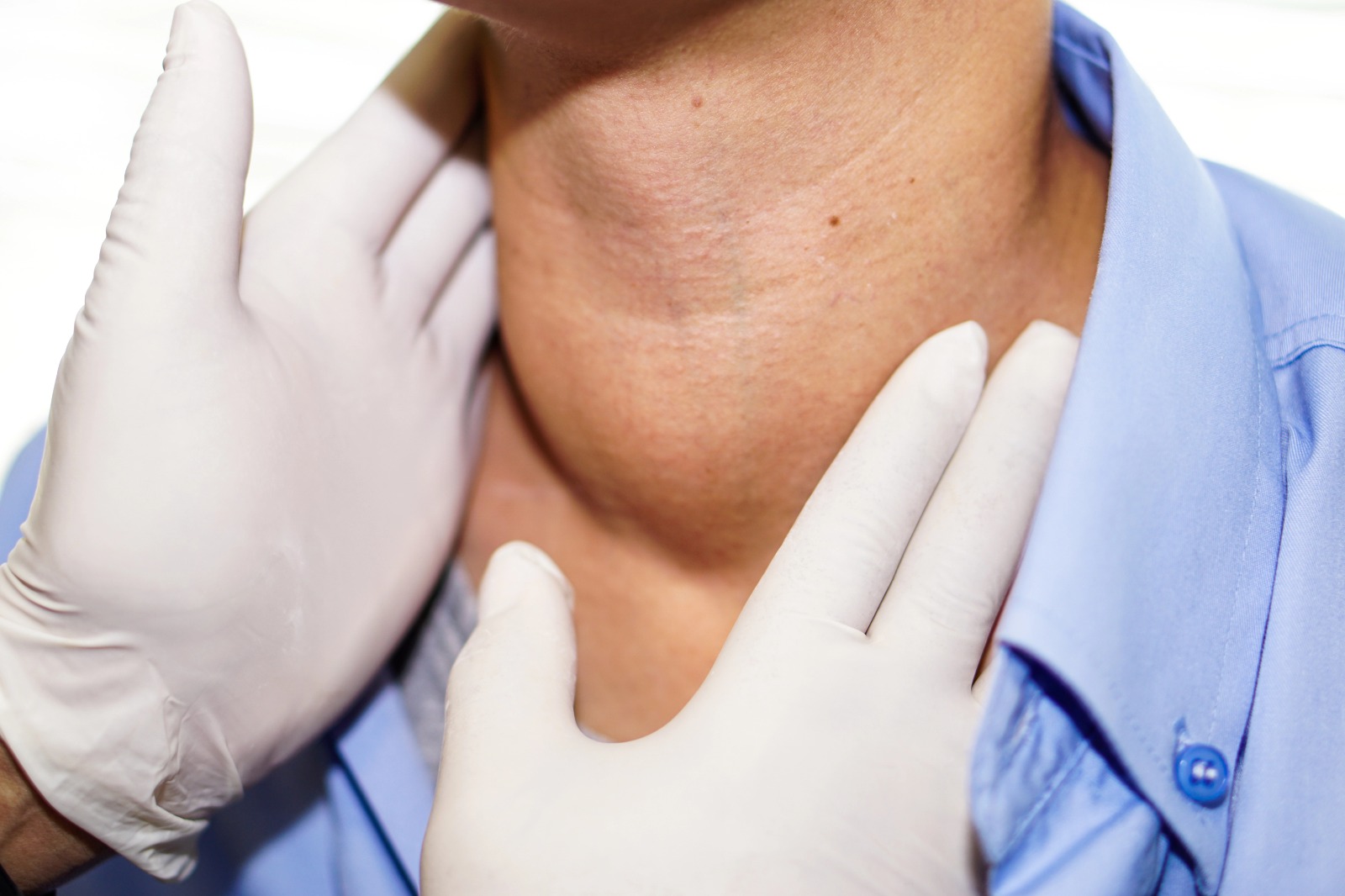
Head and neck tumors encompass a variety of growths occurring in the head and neck region, including thyroid nodules, thyroid cancer, hyperthyroidism (commonly known as goiter), salivary gland tumors, parotid gland tumors, and neurofibromas. Surgical approaches and considerations vary depending on the specific tumor; a brief overview of common conditions follows:
- Thyroid Nodules
Characteristics: Lumps within the thyroid gland; most are benign, though a small number may become malignant.
Indications for surgery: Nodules larger than 4 cm, rapid enlargement, compression of the trachea or esophagus, or suspicion of malignancy (abnormal ultrasound features or suspicious cells found via fine-needle aspiration).
Surgical approach: Partial or total thyroidectomy, depending on the nodule’s location and nature.
Considerations: Preservation of the recurrent laryngeal nerve and parathyroid glands to avoid hoarseness and hypocalcemia.- Thyroid Cancer
Characteristics: Malignant thyroid tumors; common types include papillary carcinoma and follicular carcinoma.
Indications for surgery: Confirmed malignancy or nodules with a high suspicion of malignancy.
Surgical approach: Total thyroidectomy, potentially combined with neck lymph node dissection.
Considerations: Postoperative thyroid hormone supplementation and regular follow-up may be required to prevent cancer recurrence.- Hyperthyroidism (Goiter)
Characteristics: Overactivity of the thyroid gland, leading to symptoms such as glandular enlargement, rapid heartbeat, and hand tremors.
Indications for surgery: Failure of medical therapy, or severe thyroid enlargement affecting breathing or swallowing.
Surgical approach: Subtotal or total thyroidectomy.
Considerations: Postoperative thyroid hormone supplementation is necessary; prevention of thyroid storm.- Salivary Gland Tumors (including Parotid Gland Tumors)
Characteristics: Benign or malignant masses in the salivary glands (e.g., parotid, submandibular glands); parotid gland tumors are the most common benign type.
Indications for surgery: Noticeable or progressively enlarging tumors, signs of malignancy, or impact on aesthetics and function.
Surgical approach: Superficial parotidectomy, total parotidectomy, or submandibular gland excision, depending on tumor location. Considerations: Careful preservation of the facial nerve is required to avoid postoperative facial paralysis or speech impairment.- Neurofibroma
Characteristics: A benign tumor originating from nerve tissue; it can occur in the subcutaneous or deep tissues of the head and neck.
Indications for excision: Tumor compression of nerves, cosmetic concerns, rapid enlargement, or suspicion of malignant transformation.
Surgical approach: Complete tumor excision while preserving surrounding normal nerves.
Considerations: Postoperative assessment of nerve function is necessary to prevent sensory or motor deficits.
Facial Bone Fracture Repair(顏面骨折修復)
In cases of facial fractures resulting from car accidents, falls, or other trauma, precise surgical techniques are employed to reconstruct the facial skeletal structure, restore facial symmetry and aesthetics, and preserve vital functions such as chewing, speaking, and breathing.
Cleft Lip and Palate Repair(唇顎裂修復)
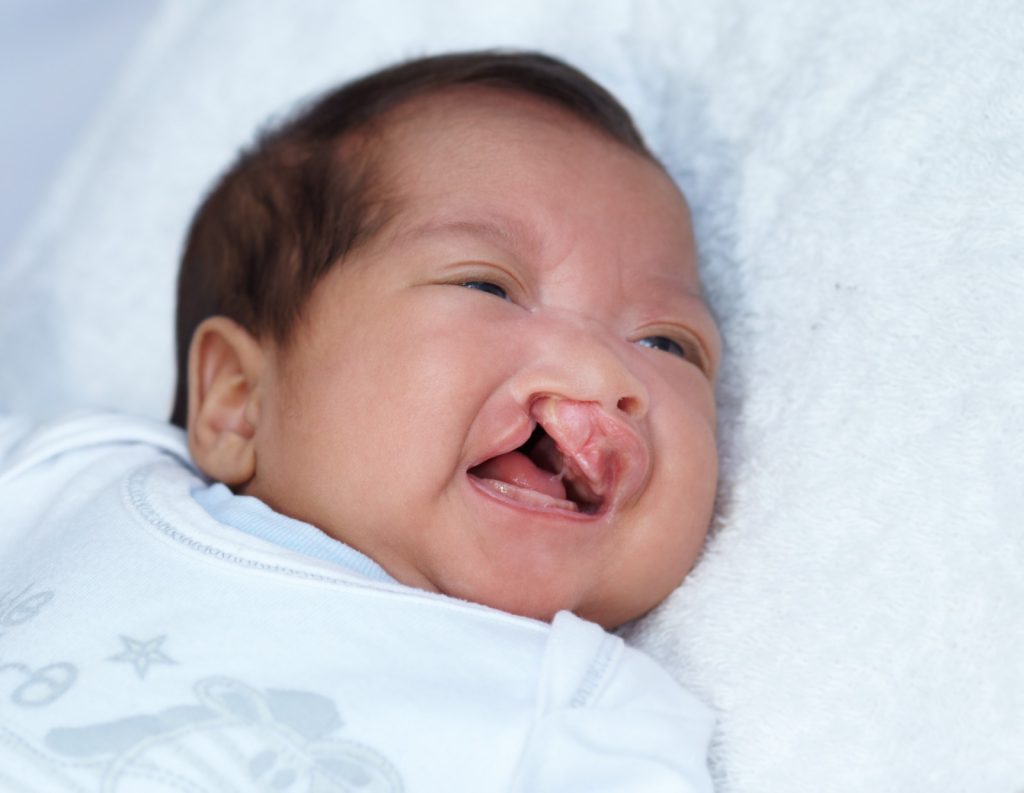
For patients with congenital cleft lip and palate, staged reconstructive surgeries are provided to not only improve appearance but also facilitate the restoration of speech, eating functions, and normal dental development, thereby fostering healthy physical and psychological growth.
WhatsApp us