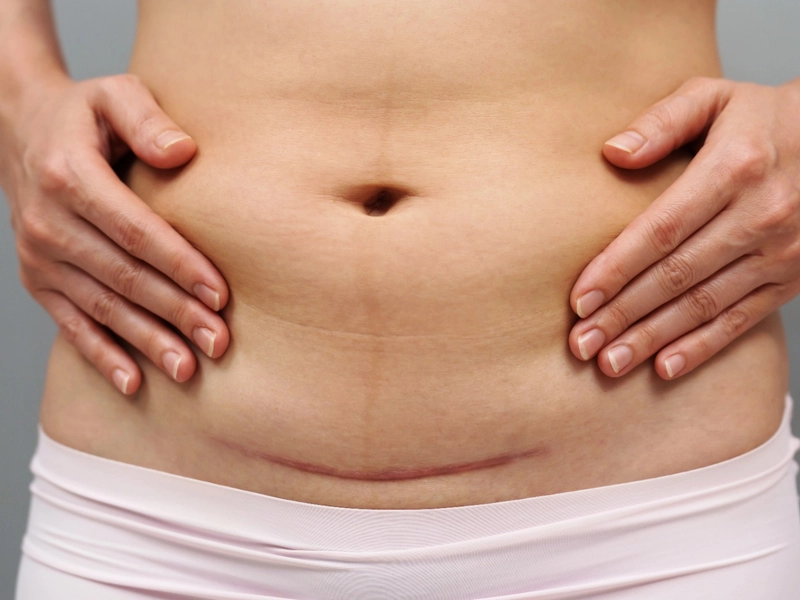
Scar treatment involves a variety of medical interventions targeting the fibrous tissue within the scar. The goal is to improve the scar’s appearance and texture, and, when initiated in the early stages of wound healing or scar proliferation, to promote scar regression or remodeling. Early intervention helps reorganize collagen and enhances the effectiveness of scar repair.
For different types of scars-such as burn scars, hypertrophic scars, keloids, acne scars, and atrophic scars-doctors develop personalized treatment strategies based on the scar’s characteristics. The most common scar types and treatment methods include:
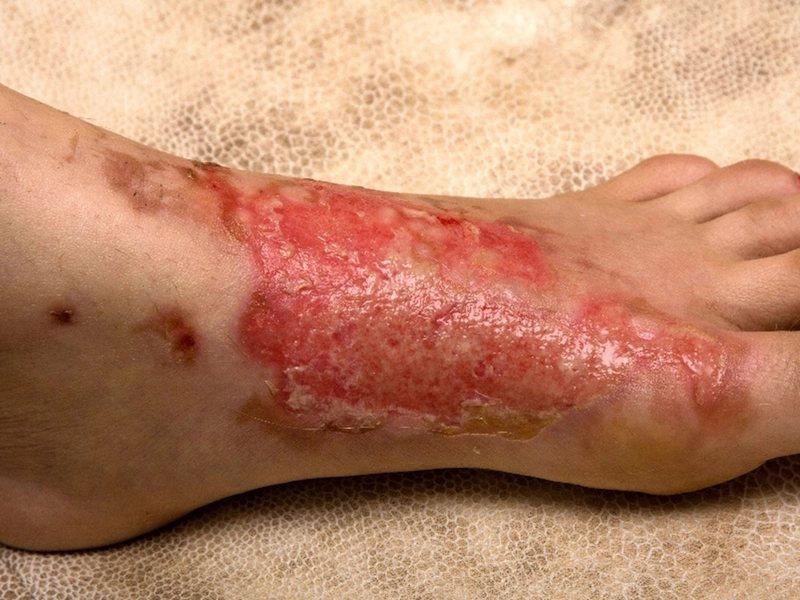
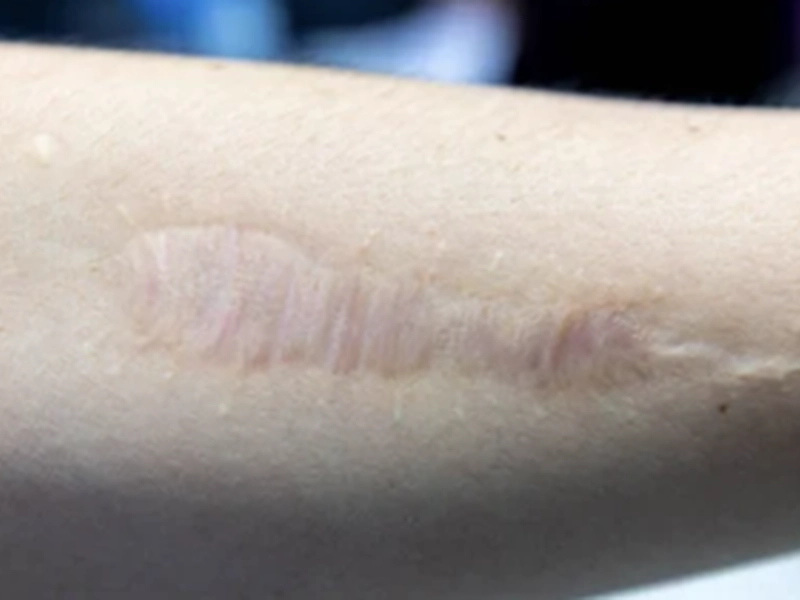
Burn Scars (燒燙傷疤痕)
Burn scars form when the skin is damaged by scald, flames, or chemical burns, affecting deeper tissues and leaving scars during the healing process. These scars often appear as large areas with pigmentation, uneven surface, or contracture, and in severe cases, they may limit joint movement or cause tightness and pain.
Common Treatments: In the early stages, silicone sheets and pressure garments are often used to prevent excessive scar formation and soften the scar. For more prominent or functionally limiting scars, laser therapy or surgical intervention may be considered.
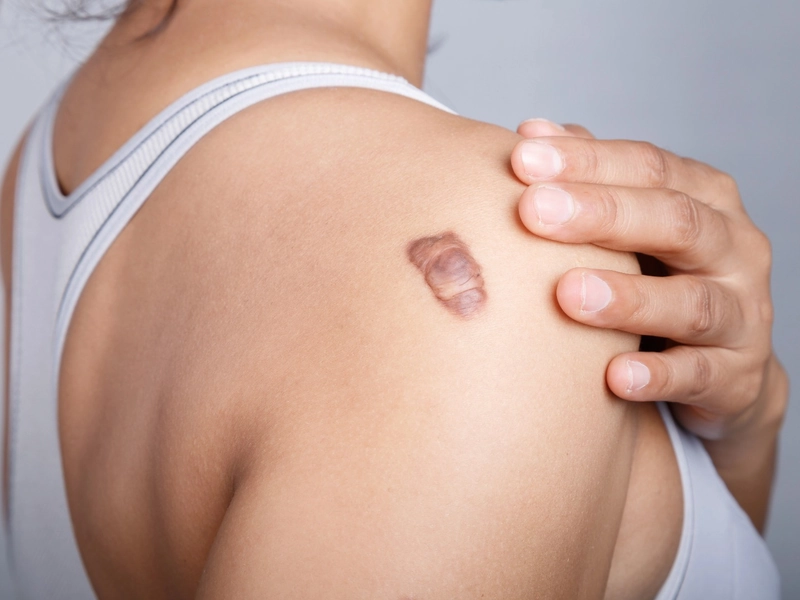
Hypertrophic Scars(增生性疤痕)
Hypertrophic scars develop during the wound healing process due to excessive collagen formation, resulting in raised, reddish or darker scars. They typically remain within the original injury area. These scars may be accompanied by itch, pain or discomfort, affecting both the appearance and texture.
Common Treatments: In the early stages, silicone sheets are often used. If the scar continues to grow, steroid injections may be administered to suppress tissue overgrowth, often in combination with laser therapy to reduce discoloration and soften the scar.
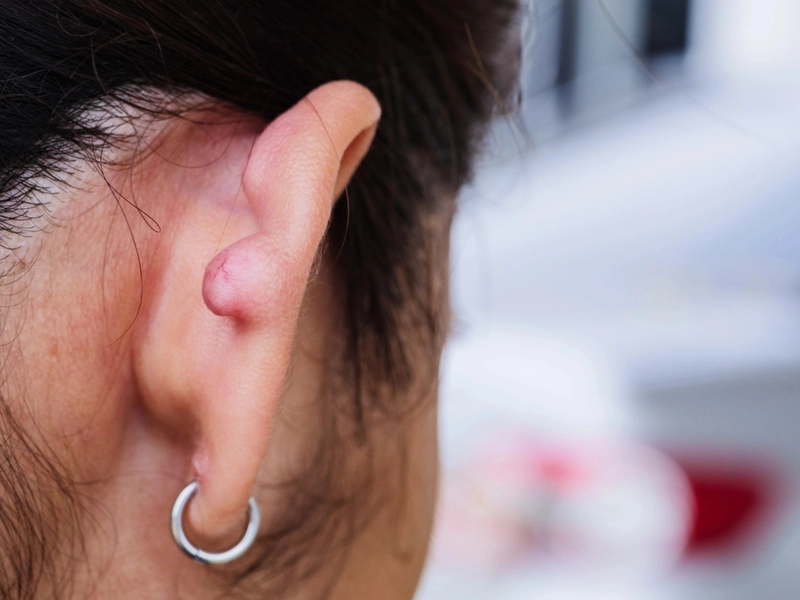
Keloid Scar(蟹足腫)
Keloids are raised, thickened scars that extend beyond the original wound boundaries due to excessive collagen deposition during healing. They can appear reddish or dark, may cause itchiness, pain and discomfort, and often affect appearance.
常用治療:可使用類固醇注射以控制增生。嚴重者可考慮手術切除,但復發機會高,尤其是心口位置及近骨位置的疤痕,可考慮術後加放射治療(電療)以減低復發機會。

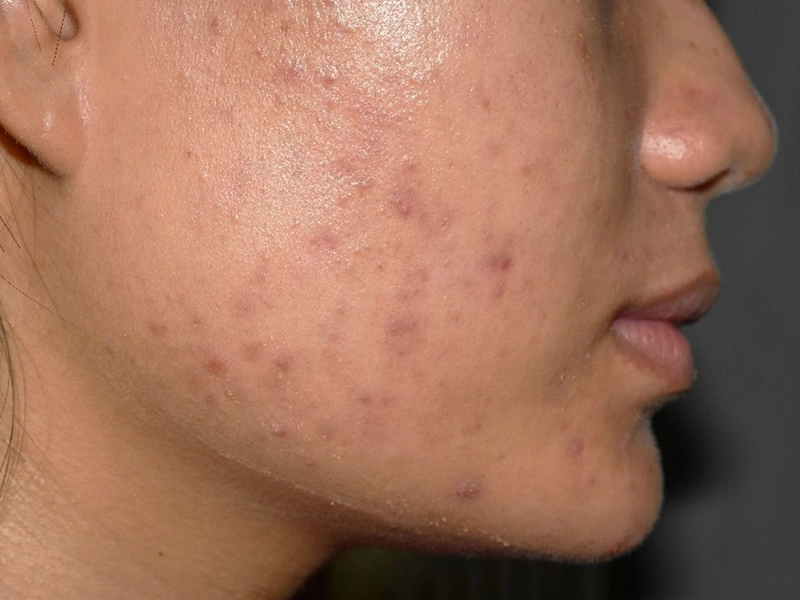
Acne Scars(痤瘡疤痕)
Acne scars often form after inflammatory acne damages the skin structure, and are usually depressed (atrophic), with fewer cases being raised. These scars commonly appear on the face, creating an uneven texture that can significantly affect skin appearance and self-confidence.
Common Treatments: Laser therapy is often used to improve skin texture for depressed scars. Subcision microneedling or minor surgical procedures may be considered for deeper scars.
Atrophic Scars(萎縮性疤痕)
Atrophic scars occur when insufficient collagen is produced during wound healing, leading to sunken skin with thin edges. They commonly appear on the face after chickenpox or acne, primarily affecting appearance.
Common Treatments: For these depressed scars, laser therapy can stimulate collagen production. In severe cases, surgical filler procedures may be performed to restore a smooth skin surface.