Skin and Soft Tissue Tumor Excision and Repair Treatment
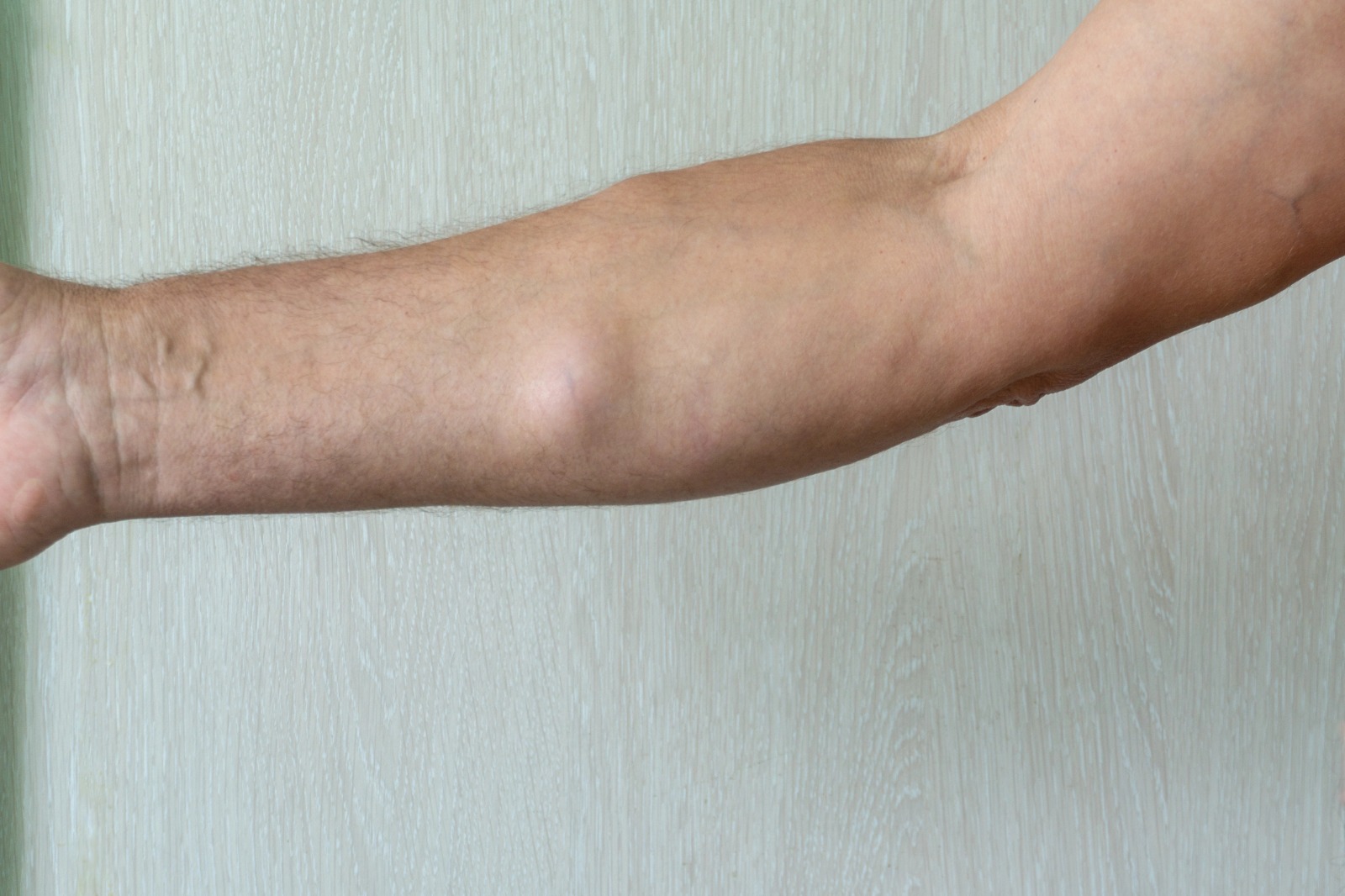
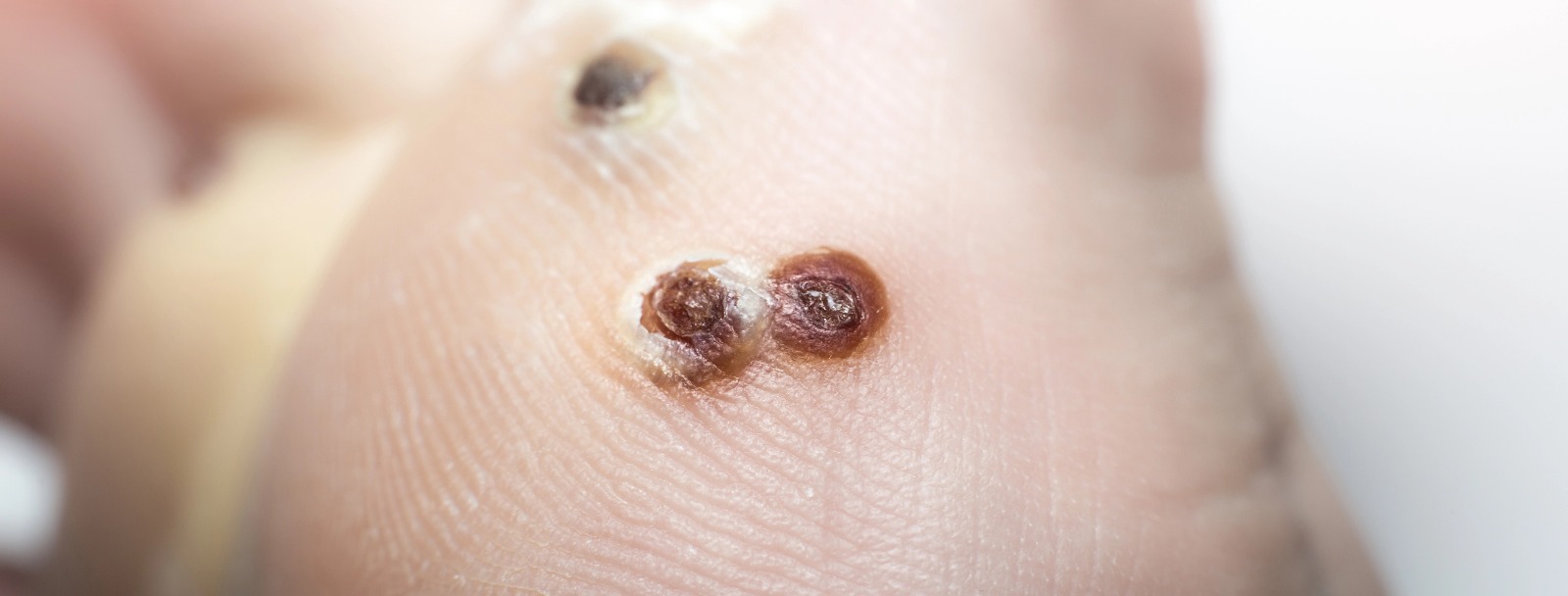
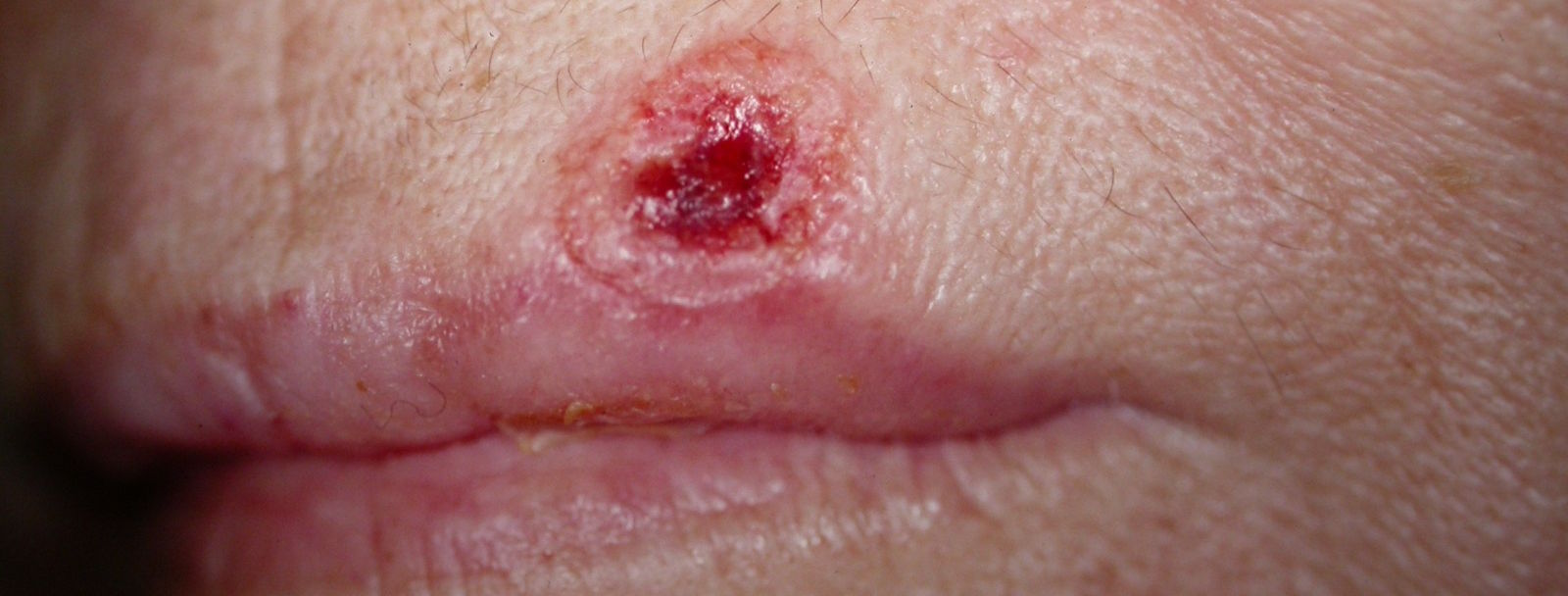
Skin and soft tissue tumors include skin cancer, epidermal cysts, sebaceous cysts, lipomas, warts, pigmented moles (nevi), xanthelasma, seborrheic keratoses, sebaceous gland hyperplasia, and syringomas. The doctor will determine the most appropriate treatment plan based on the pathology, size, and location of the lesion.
When surgical removal is required, the procedure is usually performed under local anesthesia. After excision, direct closure, local flap reconstruction, or skin grafting may be used depending on the wound condition. Post-operative care involves keeping the wound clean and following medical instructions to help prevent infection, minimize scarring, and reduce the risk of recurrence.
Skin and Soft Tissue Tumor Excision and Repair Treatment
Common Lesions:
Lesions
Common Treatment Methods
Notes
Skin Cancers (such as Basal Cell Carcinoma, Squamous Cell Carcinoma, and Melanoma)
Surgical Excision
If there is suspicion, a tissue biopsy will be performed first.
Epidermal Cyst (Sebaceous cysts)
Surgical Excision
Lipoma
Surgical Excision
Wart (caused by viral infection)
Laser Treatment / Surgical Excision
The treatment method should be selected according to the size of the wart.
Mole Removal (Pigmented Nevus Excision)
Surgical Excision / Laser Treatment
The treatment method should be selected based on the depth, size, and location of the mole.
Xanthelasma
Surgical Excision
Seborrheic Keratosis
Laser Treatment / Surgical Excision
The treatment method should be selected based on the depth and size of the age spot.
Sebaceous Hyperplasia
Laser Treatment / Surgical Excision
Syringoma
Laser Treatment / Surgical Excision
Skin and Limb Tissue Defect Reconstruction
Skin and Limb Tissue Defect Reconstruction皮(膚與四肢組織缺損修復)
For skin or soft tissue defects caused by trauma, burns, or tumor removal, reconstructive procedures such as flap transfer or skin grafting are performed to restore tissue structure and function, while minimizing scarring and cosmetic impact, thereby improving quality of life.
If you have any questions about skin and soft tissue tumor excision and repair treatment, it is recommended to consult a qualified medical professional.